Writing a dissertation has never been simple. But in 2026, the process looks different from what it did even five years ago. Research tools have changed, academic expectations have shifted, and the way students plan, draft, and manage long-form work has evolved considerably. The good news? These changes mostly work in your favor — if you know how to use them.
This guide covers the full process from topic selection to final submission, with a focus on the newer strategies that are helping students work smarter, not just harder.
Start With a Question, Not a Topic
Most students make the same early mistake: they pick a topic instead of a question. A topic like “social media and mental health” is a starting point, not a dissertation. What makes a dissertation work is a specific, researchable question that has a real answer to find.
So instead of settling on a broad area, push yourself to ask: What do I actually want to find out? For instance, “How does passive scrolling on Instagram affect anxiety levels in university students aged 18–24?” is a question your dissertation can actually answer. That precision shapes everything that follows: your literature review, your methodology, your analysis.
In 2026, the best dissertation topics also connect to live debates. Research that engages with issues such as AI in industry, climate policy, digital governance, or post-pandemic behavioral shifts tends to stand out because reviewers can see its real-world relevance immediately. That said, relevance alone is not enough. You still need academic depth and a clear argument.
The Structure Has Not Changed — But How You Build It Has
The core structure of a dissertation remains consistent across most universities and disciplines. Understanding what goes where saves enormous time when you sit down to write.
| Chapter | Purpose | Typical Length |
| Abstract | Summary of the entire dissertation | 150–300 words |
| Introduction | Background, research question, structure outline | 8–10% of the total |
| Literature Review | Survey of existing research; identifies your gap | 20–25% of the total |
| Methodology | How you collected and analyzed data | 15–20% of the total |
| Findings / Results | What you actually found | 20–25% of the total |
| Discussion | What your findings mean in context | 15–20% of the total |
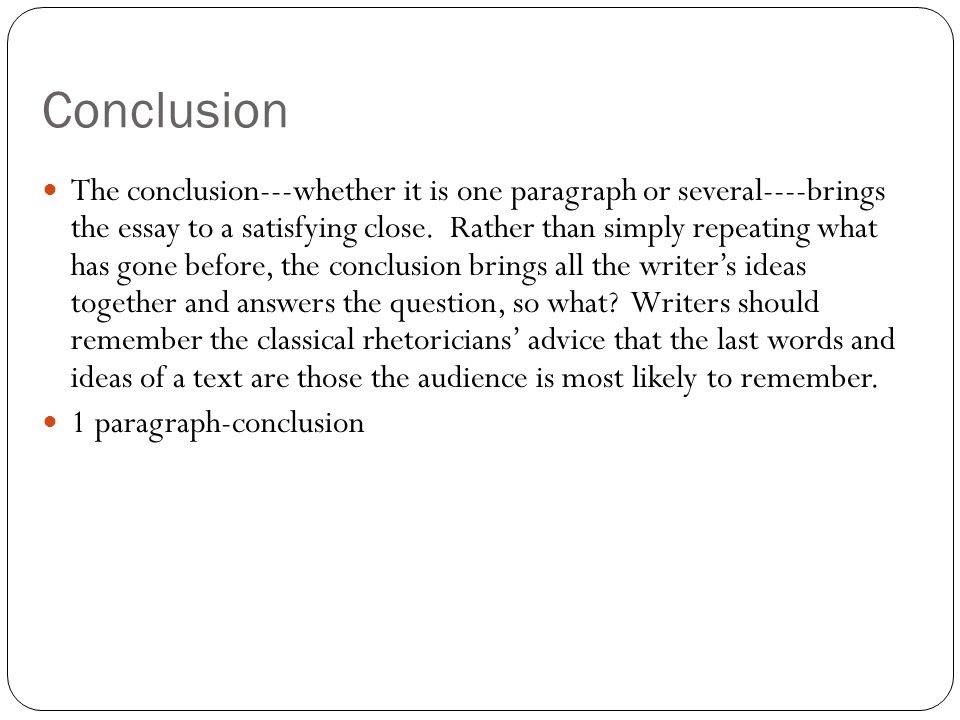
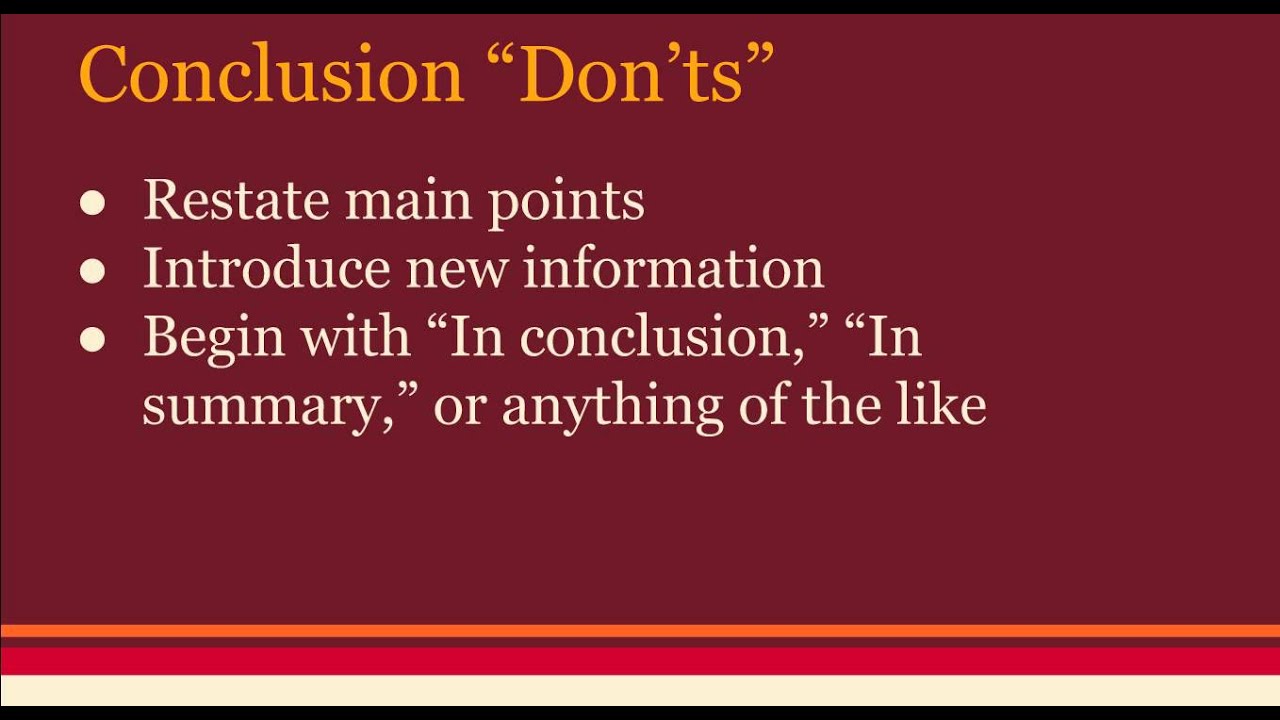
| Conclusion | Summary, limitations, future research | 8–10% of the total |
| References | Full bibliography | Varies |
One thing that has changed is the order in which you write these chapters. The traditional approach was to start with the introduction, but most experienced students and writing coaches now recommend writing it last or near the end. Your introduction should accurately reflect what your dissertation turned out to be, not what you thought it would be at the start. In addition, the abstract should always be the very last thing you write, since it summarizes completed work.
New Approaches Worth Adopting
1. Reverse Outlining Before You Write
Instead of planning forward from a blank page, try building your outline backwards from your research question. Start by writing out the answer you expect to find — your working hypothesis or argument. Next, work backwards: What evidence would prove that? What method would collect that evidence? What literature frames that question? This approach gives your dissertation a logical spine from day one, so you are not building structure in the dark.
2. Writing in Sprints, Not Sessions
Long, open-ended writing sessions tend to produce unfocused work. A growing number of students are instead using timed writing sprints, typically 25 to 50 minutes of focused writing followed by a short break. This method, often associated with the Pomodoro Technique, reduces procrastination and makes it much easier to track daily progress. The goal is not to write perfectly; it is to generate drafts that you can refine later.
3. Using a Literature Matrix
Rather than reading sources and taking scattered notes, a literature matrix organizes your reading into a table. Each row is a source; each column is a category you care about — such as methodology used, key argument, year, and relevance to your question. This technique makes writing your literature review dramatically faster because the structure is already visible before you start writing. It also makes it much easier to spot the gap your dissertation will fill.
4. Separating Research Mode From Writing Mode
One of the biggest time drains in dissertation writing is switching between reading, note-taking, and drafting all at once. Instead, try batching these activities: dedicate certain days or time blocks purely to research, and others entirely to writing. When you write, close your tabs and write from your notes. This separation keeps your thinking cleaner and your drafts more coherent.
5. Getting Structural Feedback Early
Do not wait until you have a full draft before showing your work to anyone. Share your outline, your introduction, and your methodology chapter as early as possible with your supervisor, a writing center, or a trusted peer. Structural problems caught early take minutes to fix; the same problems caught at the end take weeks. In addition, your supervisor’s feedback at the proposal stage often shapes the entire direction of your work, so that conversation is too valuable to delay.
What Reviewers Are Actually Looking For
Many students focus heavily on covering their topic thoroughly and forget that reviewers are not just assessing knowledge; they are assessing thinking. A dissertation that summarizes existing research competently but never makes an original argument will rarely score at the top level.
What reviewers value most is your ability to connect current debates with established research, make a clear argument, and critically engage with your own evidence. That means not just reporting what you found, but explaining what it means, why it matters, and where your findings sit in the broader academic conversation.
So when you write your discussion chapter, do not simply restate your findings. Instead, interrogate them: Do they support or challenge existing theory? What do the limitations of your methodology mean for how confidently you can claim your conclusions? What should future researchers investigate next? These are the questions that turn a decent dissertation into an excellent one.
The 5 Mistakes That Cost Students the Most Marks
- Choosing a topic that is too broad. A wide topic leads to a shallow dissertation. Narrow your focus early and go deep rather than wide.
- Leaving the literature review until too late. Your review needs to establish the gap your research addresses, so it should be written before your findings make sense.
- Treating methodology as a formality. Your methodology chapter should justify every choice you made, not just describe what you did. Reviewers look for reasoning, not just process.
- Writing the introduction first. As mentioned, this almost always leads to an intro that no longer matches your finished dissertation. Write it last.
- Ignoring formatting guidelines. Margins, citation style, font, and line spacing — universities are specific about these, and inconsistency signals carelessness. Check the style guide early and follow it throughout.
A Note on Tools and AI
Digital tools have genuinely changed the dissertation process. Reference managers like Zotero help you organize and cite sources without the chaos of manually building bibliographies. Mind-mapping tools let you visualize how your argument fits together before you write a word. Transcription apps like Otter.ai can convert interview recordings to text in minutes instead of hours.
As for AI writing tools, they are widely available, but using them to write your dissertation for you is academic misconduct. What many students do legitimately is use them for brainstorming, exploring how to phrase a concept, or checking the clarity of a sentence they have already written. The writing, the argument, and the thinking must be yours. When in doubt, check your university’s specific policy.
If the process feels genuinely overwhelming, there is no shame in seeking structured guidance. Expert help with dissertation writing is available and can make a real difference, especially when it comes to understanding what strong work looks like in your specific discipline.
FAQ
What is a dissertation?
A dissertation is a long research project submitted as part of a degree.
How long does a dissertation take to write?
Most students spend three to six months on it.
What is the hardest part of a dissertation?
The literature review and maintaining consistent progress.
Can I write my dissertation out of chapter order?
Yes, most students write the introduction and abstract last.
How many sources does a dissertation need?
Typically 30–100+, depending on level and discipline.
What makes a dissertation fail?
Weak argument, poor methodology, or failure to address the research gap